
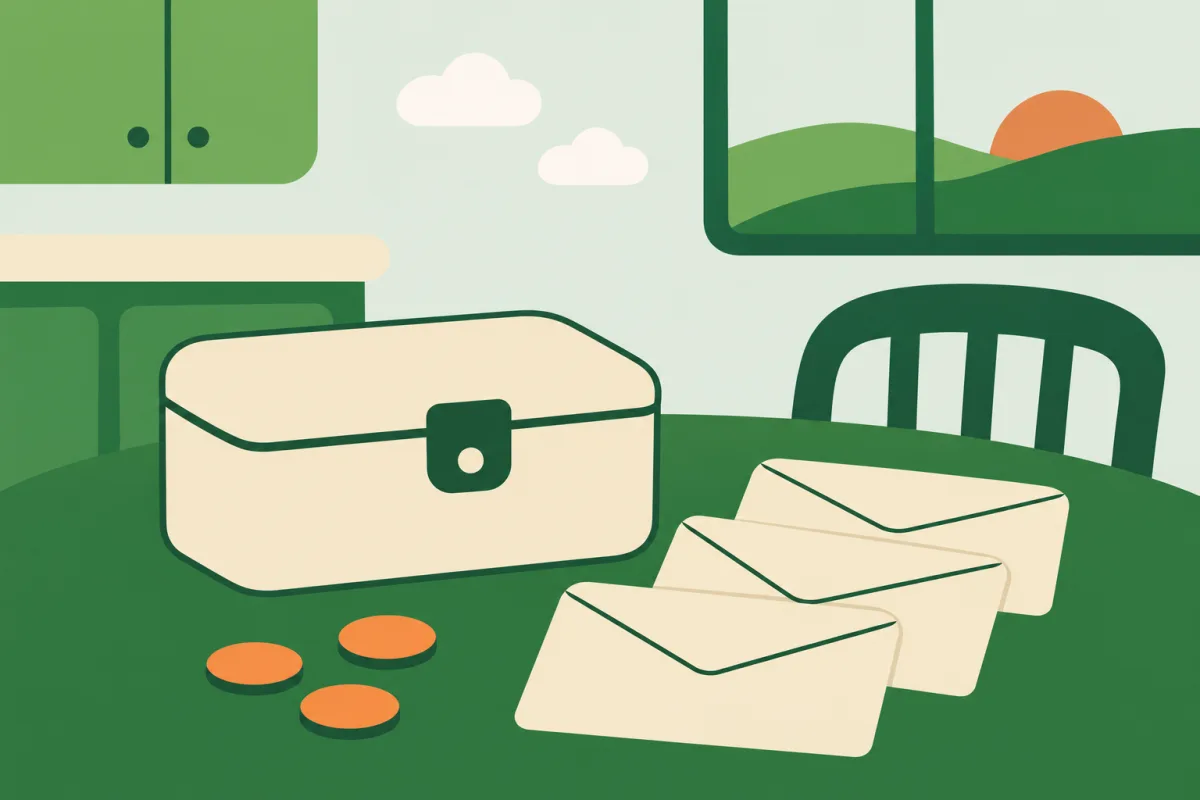
If a car repair or a surprise medical bill landed on your table this week, how would you pay for it? Emergency savings can help with unexpected costs and changes in income, even though setting money aside may feel out of reach.
You don't need a separate savings account to begin, and small amounts count.
What the national survey found
The Federal Reserve issued its household well-being report in May 2026. The report draws on a survey fielded in October 2025. One question asked adults how they would handle a hypothetical $400 expense.
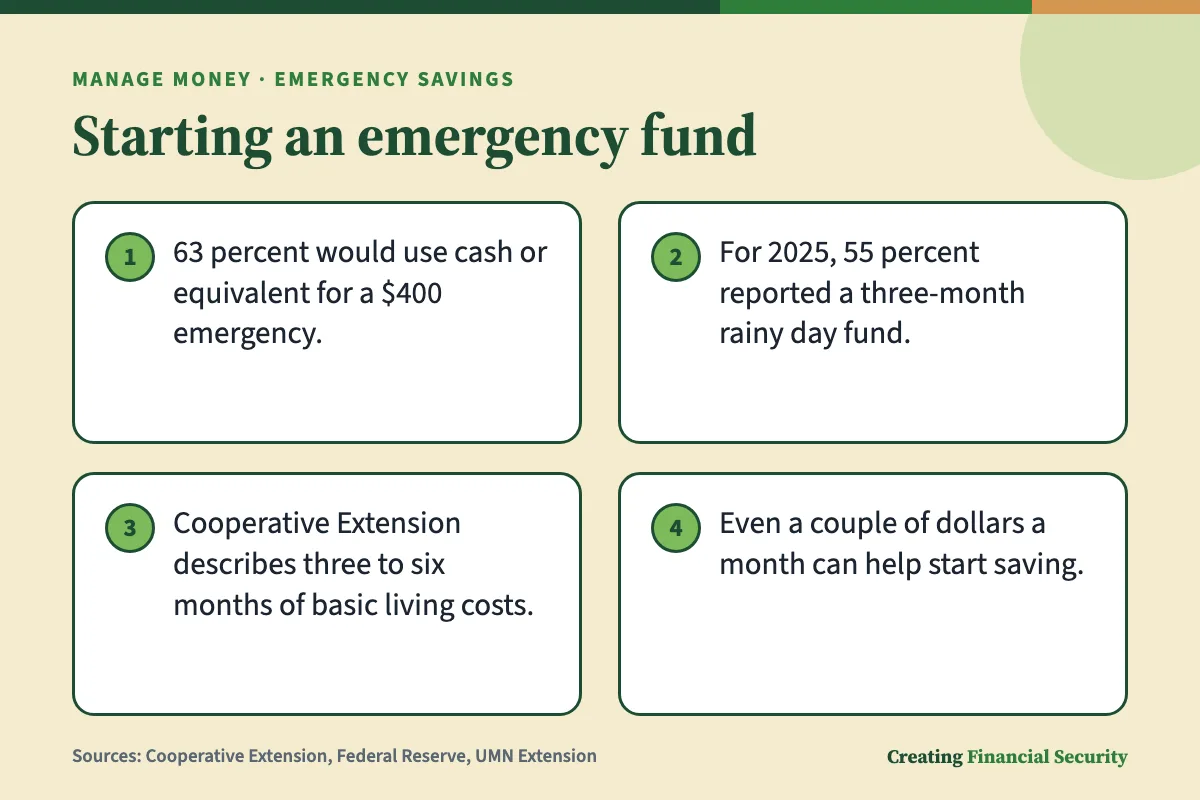
In answer, 63 percent of adults said they would pay it entirely with cash, savings, or a credit card they'd pay off when the next statement arrived. The Federal Reserve groups these together as "cash or its equivalent," and the share was unchanged from 2024.
Among the other 37 percent, most would pay another way, such as borrowing or selling something, while some would not be able to pay at all. Overall, 12 percent said no method would let them cover it, compared with 13 percent in 2024.
A separate question asked about the largest emergency expense a person could handle right now using only savings. For 18 percent of adults the ceiling was under $100, and for 12 percent it was $100 to $499. For 70 percent, savings alone could cover an expense of at least $500.
The Federal Reserve offers a possible reason the 70 percent is higher than the 63 percent: some people with cash on hand may choose to pay another way and keep that cash as a buffer for other bills.
How it works, step by step
- Start with a written spending plan, so you can see what you can set aside.
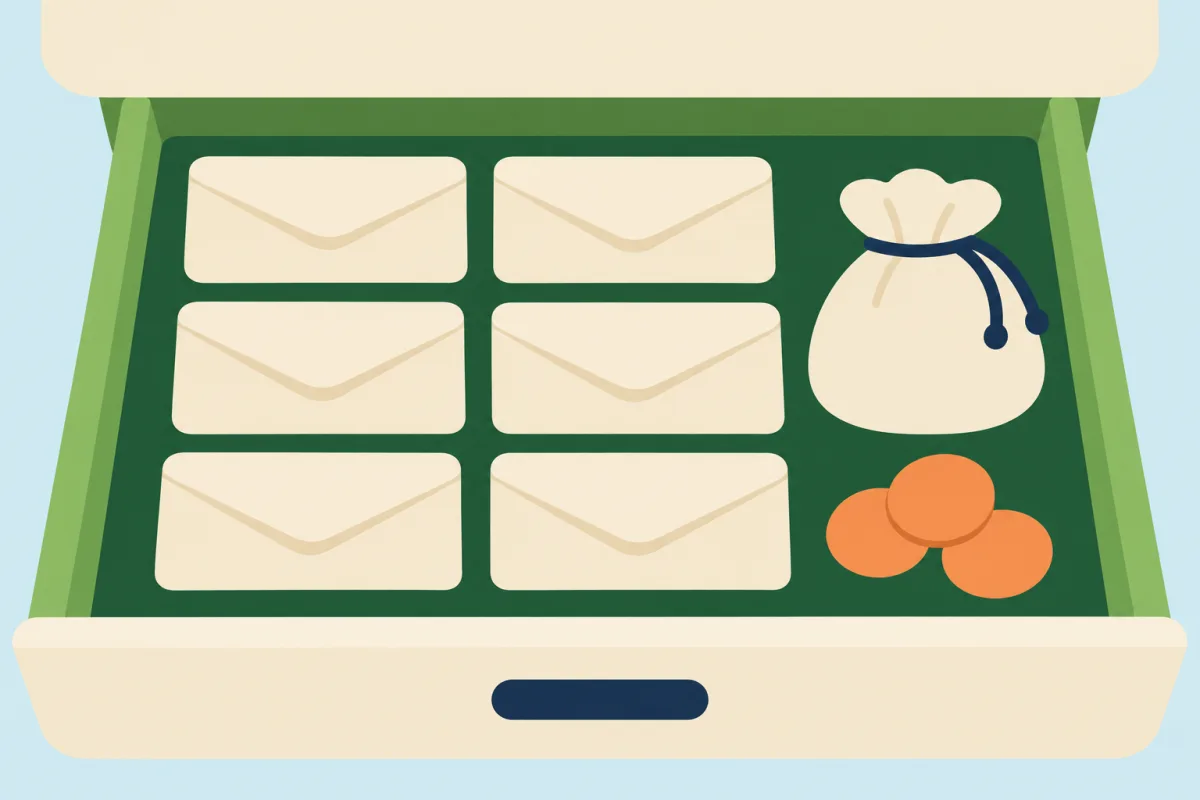
- Send a set dollar amount or a share of each paycheck straight to savings on payday.
- Drop loose coins in a jar each day, and deposit them when the jar is full.
"The SHED provides valuable data on how households are dealing with evolving financial opportunities and challenges." (Michael S. Barr, Federal Reserve Board Governor)
What about three months of expenses?
The Federal Reserve notes that a job loss can require more resources than a smaller unexpected expense. So the survey also looked at a common measure of resilience: whether someone has money set aside for three months of expenses.
For 2025, the share reporting a rainy day fund covering three months of expenses was 55 percent, the same as in 2024 and below the 2021 high of 59 percent.
Of all adults surveyed, 15 percent said they could cover three months of expenses through borrowing, selling assets or other savings. Another 30 percent said they could not cover three months by any of those means.
The survey also found a link between leftover money and emergency savings. Adults who more often spent less than they earned were more likely to report having a rainy day fund, and the Federal Reserve describes regularly spending less than income as one way to build one.
What an emergency fund is for
Cooperative Extension's Financial Security for All guide describes an emergency fund as savings kept in an account you can reach readily, for surprises like a job loss, medical bills or car repairs.
Extension educators at the University of Minnesota split the idea in two. Set-aside savings are for periodic costs that don't land every month, such as replacing a broken appliance, fixing a tire, or traveling to see a sick relative. The guide suggests building them into a monthly spending plan and keeping them in a designated savings account.
Emergency income savings are for essentials if a job ends or income drops: rent or mortgage, utilities, a car payment and car insurance. The guide says this money could help a household avoid eviction, foreclosure or car repossession.
How much, and where people keep it
The Cooperative Extension guide describes enough for basic living costs over three to six months as the recommended range. The Minnesota guide frames emergency income savings as typically 3-6 months of income. The two guides count it a little differently, one by living costs and the other by income.
Cooperative Extension says the exact amount can vary with a household's resources, including paid leave from an employer. It also suggests sorting needs from wants when working out how much to keep.
That makes the range a guideline rather than a fixed target.
As for where the money sits, Cooperative Extension says these are assets that can be turned into cash easily. Most of the money should be in accounts with easy access, such as checking. It also names standard or passbook savings and money market accounts as other options.
Short-term CDs may pay higher interest, though the guide says to ask about early withdrawal penalties first.
Cash kept in a jar at home could be destroyed in a disaster, while money in an official savings account may earn interest and grow over time.
Starting small and staying regular
People often skip saving because it feels impossible to set aside enough. Saving regularly still matters, and even a couple of dollars a month can help someone begin.
It also notes that without knowing your current budget, it's hard to judge how much you can put toward a fund, and it points to a written spending plan as a first tool.
One approach it describes is "pay yourself first," which treats saving as a regular expense like rent or a mortgage. That can mean sending a set dollar amount, or a percentage of pay, into a savings account each payday. Another is dropping loose coins, or tips if you earn them, into a jar and depositing it at the bank when it's full.
If money is already tight, the guide suggests talking with family about cutting expenses and bringing in more income.
The bottom line
Emergency savings can cushion an unexpected bill or a loss of income. In the Federal Reserve's survey, 63 percent said they would meet a $400 expense entirely with cash or its equivalent. That describes how people said they would pay, not necessarily everything their savings could cover.
If you're starting from nothing, even a couple of dollars a month can help begin a fund. It can help to look at your own spending plan, think about how quickly you could reach the money, and ask about early withdrawal penalties on any account that has them. A licensed professional can help apply these general ideas to your own situation.
Questions readers ask
What is an emergency fund?
How many months of expenses is an emergency fund supposed to cover?
What trade-off do extension educators describe for short-term CDs?
Sources
- Federal Reserve Board: Economic Well-Being of U.S. Households in 2025: Savings and Investments
- Federal Reserve Board: Federal Reserve Board issues Economic Well-Being of U.S. Households in 2025 report
- University of Minnesota Extension: Start an emergency fund before disaster strikes
- Financial Security for All (Cooperative Extension): Building an Emergency Fund